
HVAC Services in Stone Mountain, GA
Local Insulation Contractor Expertise
In Stone Mountain, your attic is working hard—pushing cooled air out in summer, warm air in winter. An insulation contractor with local experience knows Stone Mountain's humid climate and DeKalb County building codes matter. Whether your home sits near Main Street or in one of the suburban neighborhoods backing up to Stone Mountain Park, proper attic insulation saves energy and protects against Georgia's moisture-heavy air. This guide covers what attic insulation does, how professional installation works, and how to get started near Stone Mountain.
How It Works
From assessment to installation, here's what happens when you upgrade insulation in Stone Mountain.
Step by Step
Inspection
We assess your attic, check current R-value, look for gaps, and evaluate moisture issues common in Stone Mountain homes.
Recommendation
We recommend the right type and R-value for your Stone Mountain home, whether blown-in, spray foam, or batts.
Air Sealing
Before new insulation goes in, we seal gaps and penetrations. This stops 25–40% of energy loss that insulation alone cannot fix.
Installation
Our crew installs your chosen insulation to spec, ensuring no gaps, voids, or compression that reduces performance.
You'll always know what's happening next—and when.
Our Services
We serve Stone Mountain homes with multiple insulation solutions tailored to Georgia's hot, humid climate.
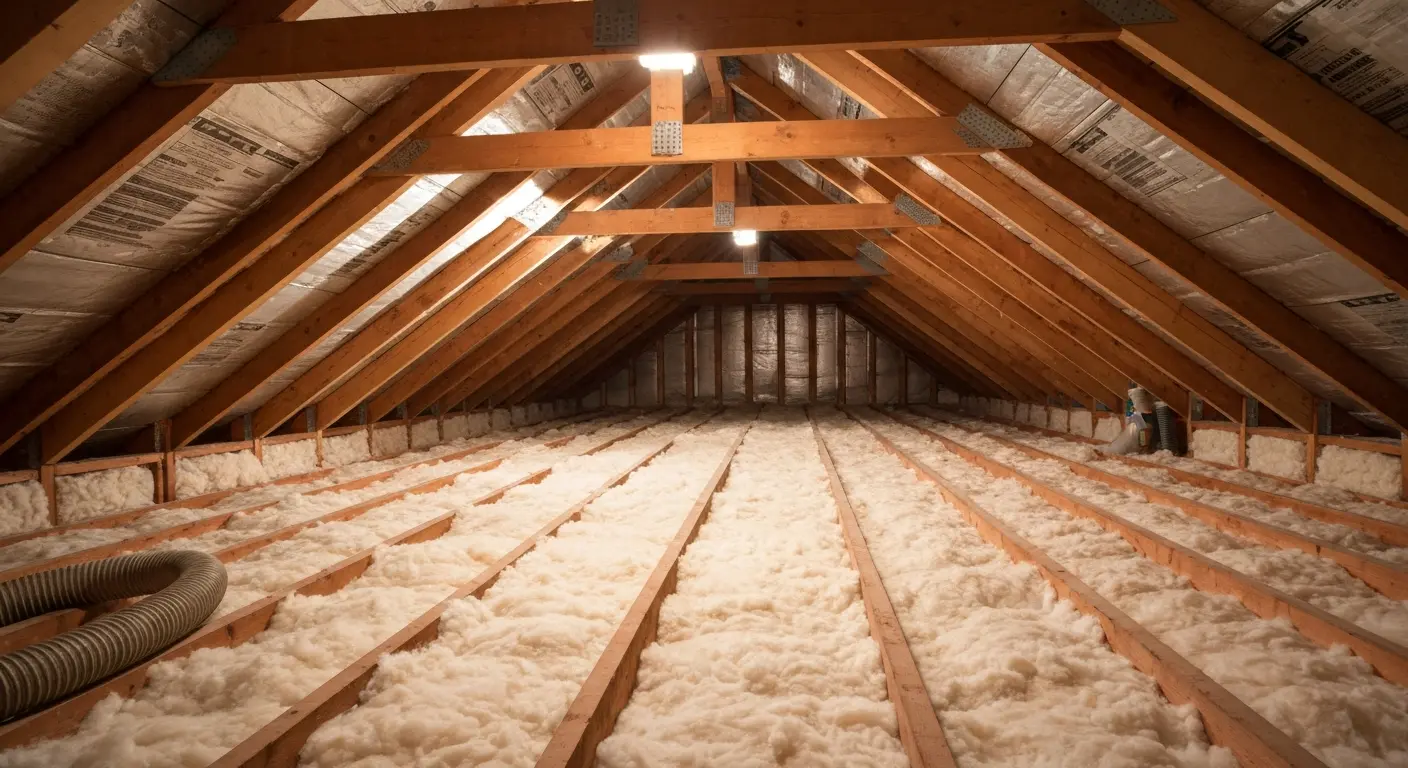
Blown-in insulation fills every corner of Stone Mountain attics without gaps or voids.
Blown-In Insulation
Blown-in fiberglass and cellulose reach tight spaces, irregular framing, and obstacles that batts cannot. Ideal for retrofits in homes throughout Stone Mountain neighborhoods, from Smoke Rise to properties near Stone Mountain Park.
- Fast, efficient coverage—fills attic voids completely
- Works in existing homes without major demolition
- Cost-effective path to R-38 or higher
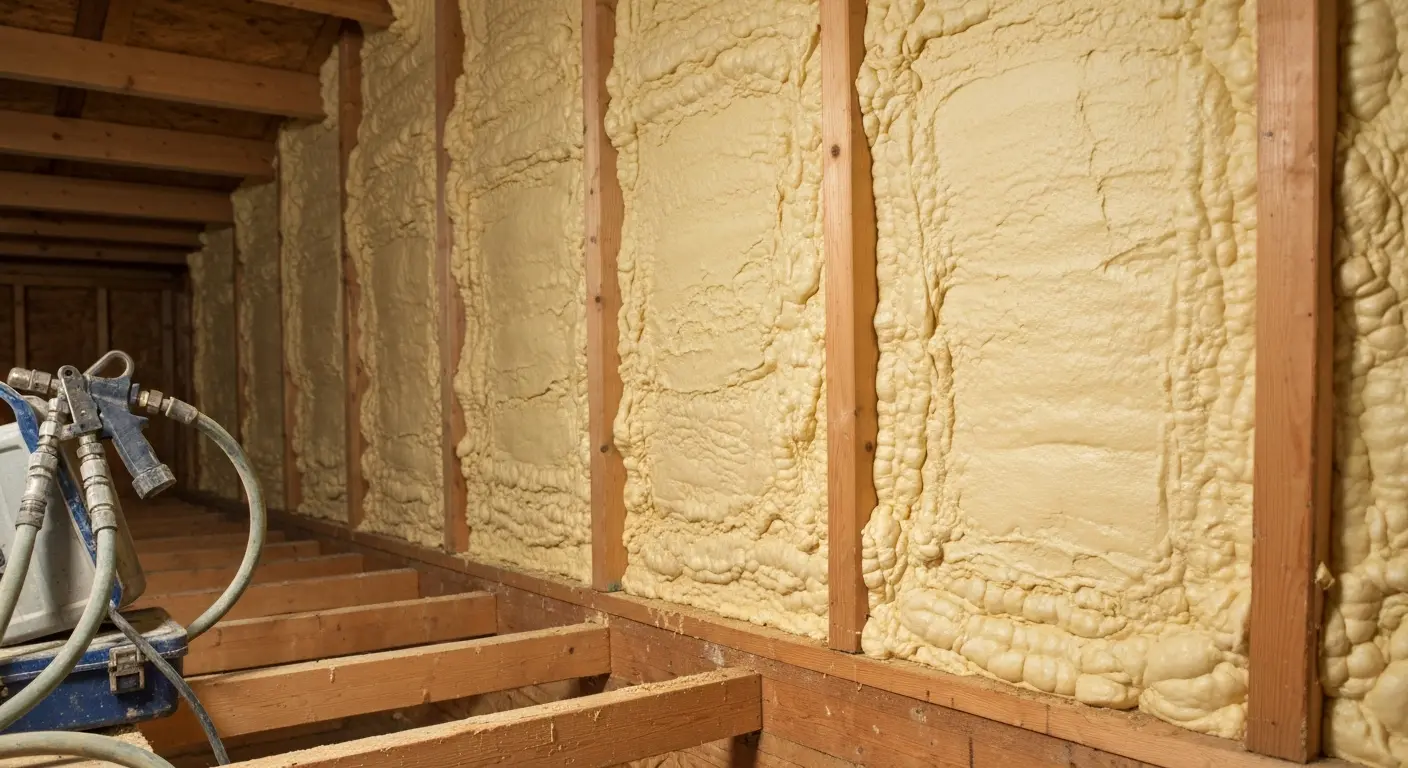
Closed-cell spray foam provides high R-value and moisture control for Stone Mountain's humid summers.
Spray Foam Insulation
Closed-cell and open-cell spray foam seal air leaks while insulating. In Stone Mountain's humid climate, this dual action prevents moisture problems that lead to mold and structural damage.
- Highest R-value per inch available
- Seals gaps and penetrations in one application
- Acts as moisture and air barrier simultaneously
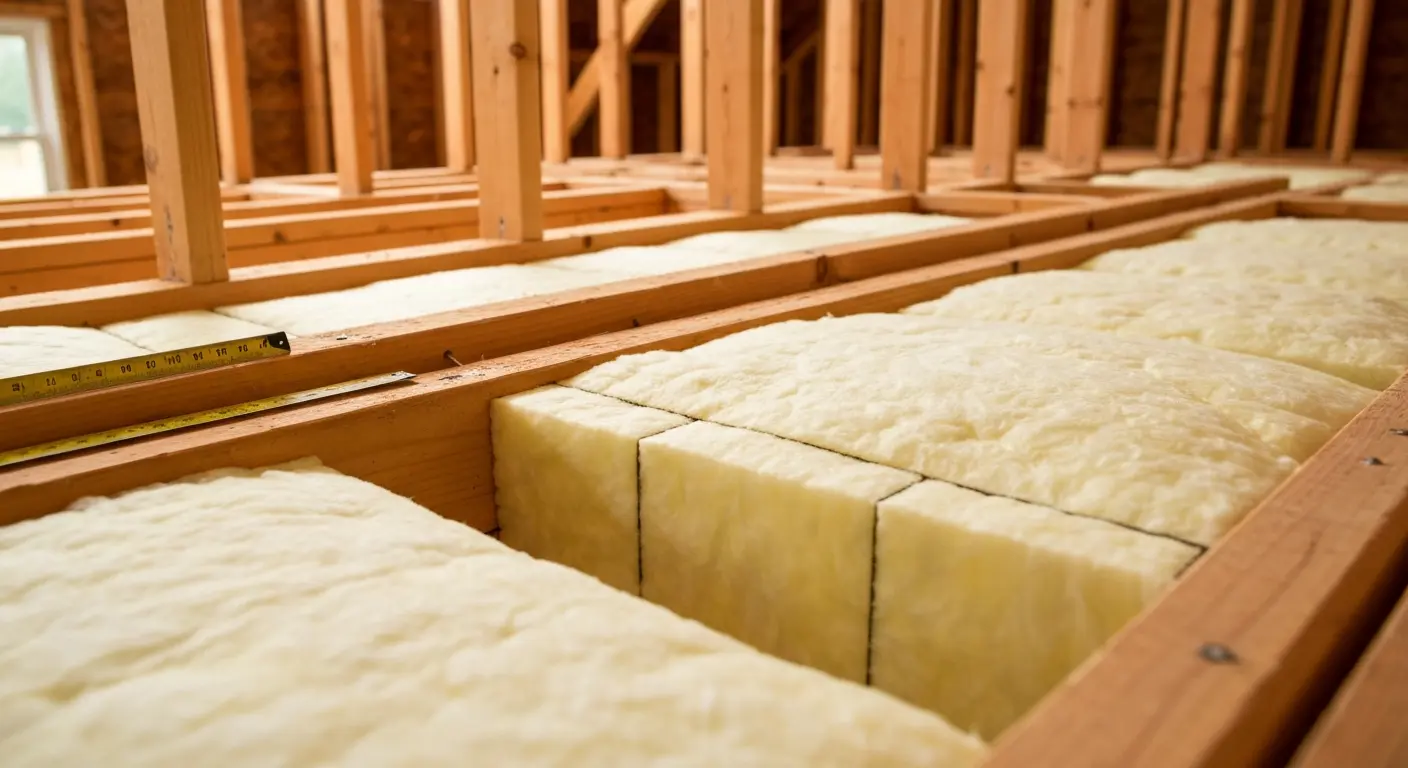
Fiberglass batts are a proven, affordable option for Stone Mountain homes with standard framing.
Fiberglass Batts & Rolls
Pre-cut fiberglass panels fit standard joist spacing. We install them properly—without compression or gaps—to meet Georgia's R-30 to R-60 recommendations for Stone Mountain attics.
- Affordable, proven insulation material
- Effective in stable, accessible attic spaces
- Works with air sealing for complete performance
Why This Matters
Stone Mountain homes face unique climate challenges that proper insulation solves.
Energy & Comfort
Without proper attic insulation, cooled air escapes in summer heat and warm air leaks in winter. DeKalb County summers often top 90°F with high humidity. Gaps and voids in old insulation force your HVAC to work 30–40% harder than necessary. A well-insulated attic keeps your home 5–10 degrees closer to your set point, reducing strain on equipment and lowering utility bills year-round.
Air leakage accounts for 25–40% of heating and cooling costs in most homes.
Moisture & Mold Prevention
Stone Mountain's humid subtropical climate makes moisture management critical. Heat and humidity moving into an uninsulated or under-insulated attic create conditions for mold, wood rot, and structural damage. Spray foam and properly sealed insulation act as vapor barriers, protecting your attic frame and roof assembly. This is especially important in homes near Stone Mountain Park's tree cover, where shade keeps moisture levels high.
Consistency & Quiet
A well-insulated attic reduces temperature swings between rooms and floors, eliminating cold spots and drafts. Insulation also absorbs sound from rain, hail, and wind—especially valuable for homes on Main Street or near festival venues where seasonal noise events occur.
Coverage Area
We serve all of Stone Mountain, from historic downtown to suburban neighborhoods.
Service Areas
Stone Mountain, Smoke Rise, residential neighborhoods backing up to Stone Mountain Park, and surrounding DeKalb County homes. Whether your property has historic brick framing or modern open-joist designs, we handle every attic type. Newer home near Main Street? Established property in a gated community? We have experience across all of Stone Mountain's diverse housing stock.
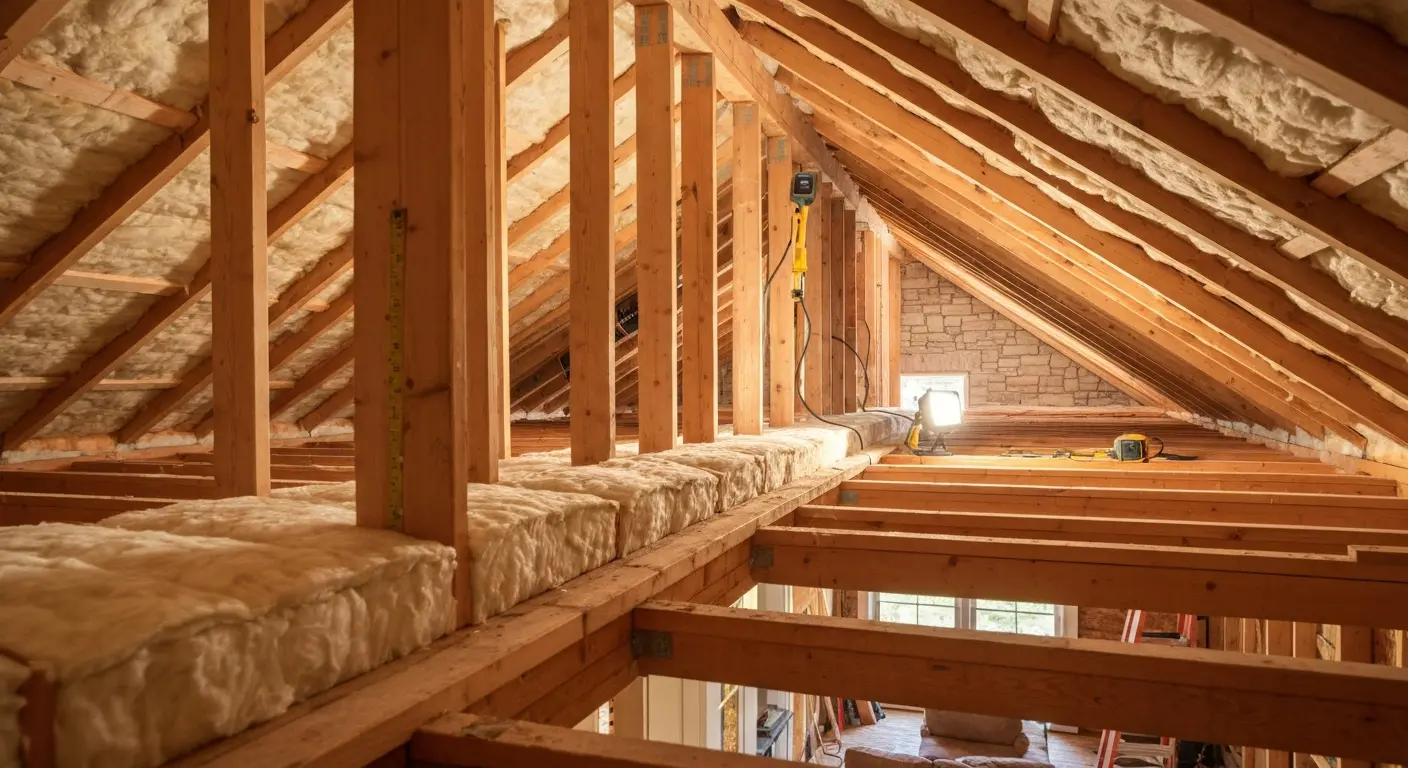
Stone Mountain neighborhoods benefit from professional local insulation expertise.
Why Local Matters
Stone Mountain's building codes and climate specifics require local knowledge. We understand attic ventilation rules, moisture patterns in our neighborhoods, and which insulation types perform best against Georgia's seasonal swings. We're familiar with the unique challenges of homes in different neighborhoods—from older properties with uneven framing to modern builds with cathedral ceilings.
What's Your R-Value?
R-value measures insulation's resistance to heat flow. Higher R-values slow heat transfer more effectively. Georgia's building code and Energy Star recommend R-38 minimum to R-49+ for optimal performance in Stone Mountain attics.
Think of R-value like the thickness of a winter coat. A thin windbreaker has low R-value—minimal insulation. A heavy parka has high R-value—keeps you warm even in cold. Your attic needs the right thickness for our climate, or energy escapes and humidity sneaks in.
R-38
Minimum for Stone Mountain attics. Meets Georgia code and provides basic energy savings. Good for budget-conscious upgrades.
R-49
Energy Star recommended. Delivers better year-round performance in Stone Mountain's humid climate. Qualifies for utility rebates.
R-60+
Maximum performance. Ideal for new construction or full attic replacements where moisture control is critical.
Frequently Asked Questions
How do I know if my attic insulation needs replacing?
Signs include energy bills rising, hot or cold spots in rooms, visible moisture or discoloration in the attic, and insulation that's compressed, wet, or settling. A professional inspection confirms whether your current R-value meets Georgia's standards.
Does Stone Mountain have any local permit or inspection requirements for insulation?
DeKalb County follows Georgia's building code; some insulation types (like dense-pack cellulose or spray foam in homes with gas appliances) may trigger inspection requirements. We handle all permitting and code compliance for your Stone Mountain project.
Can I get a rebate for attic insulation in Stone Mountain?
Yes. Georgia Power offers rebates for insulation upgrades meeting R-38 or higher. Many DeKalb County utility programs also provide incentives. We help identify available programs and ensure your installation qualifies.
What's the difference between blown-in and spray foam?
Blown-in insulation fills cavities quickly and costs less upfront; it requires separate air sealing for best results. Spray foam seals and insulates simultaneously, offering superior air and moisture barriers. Both work well in Stone Mountain attics—it depends on your goals and budget.
Why is moisture control so important in Stone Mountain?
Stone Mountain's humid subtropical climate and proximity to tree cover mean attics are prone to moisture buildup. Wet insulation loses R-value and allows mold and structural damage. Proper insulation and air sealing prevent moisture from entering your attic in the first place.
How do I schedule an inspection?
Contact us by phone or online to schedule a free attic inspection. We'll assess your current insulation, discuss options, and provide a clear recommendation tailored to your Stone Mountain home and budget.
DISCOVER WHAT OUR CUSTOMERS HAVE TO SAY ABOUT US
REVIEWS
proudly serving these areas
Atlanta & North, GA
John's Creek, GA
Kennesaw, GA
Cumming, GA
West Hampton, GA
Smyrna, GA
Brookhaven, GA
Alpharetta, GA
READY TO take the next step?
get a free quote TODAY!
QUICK LINKS
our services
service areas
operating HOURS
Mon: 7:00 am - 6:00 pm
Tue: 7:00 am - 6:00 pm
Wed: 7:00 am - 6:00 pm
Thu: 7:00 am - 6:00 pm
Fri: 7:00 am - 6:00 pm
Sat: 7:00 am - 6:00 pm
Sun: 7:00 am - 6:00 pm